
The Bear: The show that fashion forgot
A look into the rise and fall of one of the most fashionable shows of the 21st century
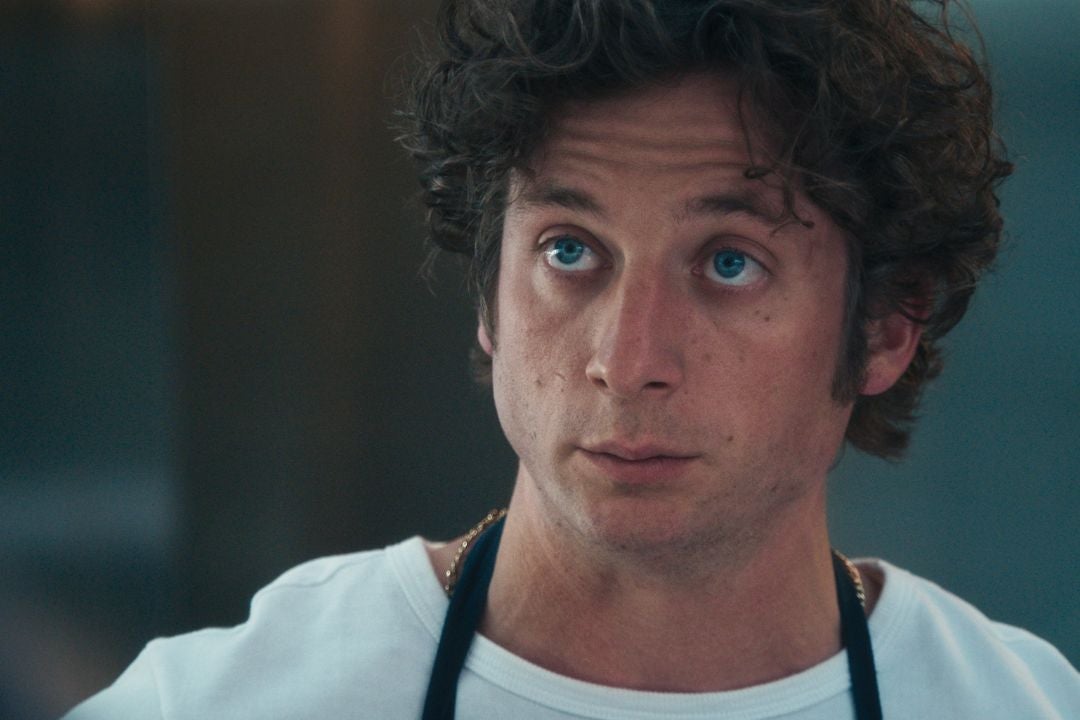
After 47 episodes, 22 Emmys, and five seasons, The Bear uttered its last “Yes, Chef” earlier this year. Although the final season was a true return to form, it seems that only a few got to witness it. The show got lost. Among the buzz of the World Cup, a packed release window, and critiques surrounding previous seasons, it never found its footing. Its premiere-week viewership subsequently tumbled by 51% from its peak. This was never supposed to be The Bear’s fate. Christopher Storer’s creation was once the most celebrated show on the small screen. It was hailed for its writing, its creativity, and – most fascinatingly – its fashion.
When the show released in 2022, it single-handedly took over menswear. The show had all the publications scrambling to post articles on its wardrobe; social media algorithms were flooded with outfit breakdowns and “how to dress” videos; and you probably saw at least three guys chuck on an apron, slip on their Birkenstocks, and yell “Hands!” at your local Halloween party. The world had caught Bearmania, and it all started with one anxiety-induced chef: Carmy.

Carmy in RRL Deck Jacket. Photograph: FX / Hulu
Carmy isn’t just the main protagonist; he is the jumping-off point into the show’s fashion. When we first meet him, he is selling a portion of his vintage denim collection. Among the clothes are true vintage grails like a 1944 pair of Levi’s Big E Redline Selvedge Jeans and a 1955 Levi’s Type III Trucker Jacket, worth thousands of dollars. This scene doesn’t just drive the plot, it’s Storer’s way of telling us that fashion will be a part of the series’ DNA – and boy, did it show.
Costume designer Courtney Wheeler put on a clinic throughout the show’s tenure. This started with Carmy’s iconic Merz b. Schwanen tee: a decision so influential it caused the brand’s website to crash overnight and sell out of every single garment in stock. But it didn’t stop there. The NN.07 jacket he wore sold out too. His discontinued triple-white Nike Cortezes increased by over 200% on the aftermarket. Heck, Jeremy Allen White started dressing more like his own character offscreen. Carmy’s outfits went viral, but that does not mean Wheeler’s touch stops with him.

Sydney wearing a Kapital Headscarf. Photograph: Everett Collection
Ayo Edebiri, Ebon Moss-Bachrach, Matty Matheson, and the rest of the cast all wear their share of Margiela, RRL, Kapital, Thom Browne, Boss, ALD, and many more too long to list. The series, at points, feels like a utilitarian fashion show: never a distraction from the story, but leaving you with a tad bit of envy for the characters’ wardrobes. This aspect of the show didn’t go unnoticed; in fact, it spawned a whole new way of dressing. Kitchen functionality and streetwear were blended together to create what we aptly named Chefcore.
Chefcore was the true manifestation of The Bear’s influence. It is one thing to sway a person to buy a jacket, but it is a whole other thing to inspire a new design philosophy. Brands like Service Works, Rosa Rugosa, and Birkenstock started to surge, creating collections that were designed for both the kitchen and the streets. And people loved it. I distinctly remember seeing Bostons everywhere, and then one day they were gone. Unfortunately, Chefcore was tied to the popularity of the show, and as The Bear lost cultural relevance in 2024, so did the movement.
Bearmania may have died, but The Bear is definitively the most influential show for menswear in the past ten years. As a lover of the show, it’s sad to see its cultural dominance relegated to a faint memory, but that’s the reality of media and trends. All I hope is that The Bear’s legacy is more than just a niche Halloween reference.

Matty Matheson wearing Rosa Rugosa. Photograph: FX / Hulu
